Why New Bloggers Fail in Affiliate Marketing & How to Win
Introduction: Why Most Bloggers Quit Before They Even Begin
Every day, hundreds of new blogs are launched with the dream of earning money through affiliate marketing. Many beginners imagine passive income, big commissions, and waking up to PayPal notifications. But here’s the hard truth — why new bloggers fail in affiliate marketing is not because affiliate marketing doesn’t work, but because they don’t know how to make it work the right way.
Most beginners think affiliate marketing is simple:
Write some blog posts → Add affiliate links → Share on social media → Earn commissions.
But in reality, affiliate marketing isn’t just about sharing links — it’s about building trust, using strategy, understanding conversions, targeting the right audience, creating problem-solving content, and guiding readers to smart decisions.
In this guide, we’ll break down why new bloggers fail in affiliate marketing, the exact mistakes they make in the beginning, and how you can avoid them to actually succeed. Whether you’re just starting or already struggling with low traffic, no affiliate sales, or poor conversions — this guide will help you turn your blog into a real affiliate business.
Chapter 1: Misconception — Blogging Is Not Quick Money
One major reason why new bloggers fail in affiliate marketing is that they treat blogging like a lottery ticket instead of a long-term business. They see income screenshots, “$10K per month from affiliate marketing” videos, and start believing they’ll see results in 2–3 months.
But in reality, successful affiliate marketers spent months (sometimes years) learning SEO, testing strategies, building niche authority, and creating useful content — not just writing random blog posts with affiliate links.

Affiliate marketing requires traffic, trust, time, and targeted content. New bloggers lose patience when they don’t see quick results, and that impatience is a silent reason why new bloggers fail in affiliate marketing before they even reach the growth stage.
Key takeaway: Blogging is not instant money. It’s digital real estate — it grows in value when nourished with consistency, quality, and strategy.
Chapter 2: Not Understanding User Intent & Conversion Psychology
Another big reason why new bloggers fail in affiliate marketing is ignoring user intent. They target keywords like “What is affiliate marketing?” instead of “High-Paying Affiliate Programs with Instant PayPal Payouts”. The first one brings readers who want information. The second brings readers ready to buy.
Affiliate marketing works when your content aligns with buying intent.
People searching for:
|
Keyword Type |
Example |
Buying Likelihood |
|
Informational |
What is web hosting |
⭐ |
|
Commercial |
Best hosting for beginners |
⭐⭐⭐⭐ |
|
Transactional |
Bluehost vs Hostinger pricing |
⭐⭐⭐⭐⭐ |
If you’d like to explore how search intent affects conversions with real examples, this detailed search intent guide by Ahrefs breaks it down using buyer journey stages and keyword types.
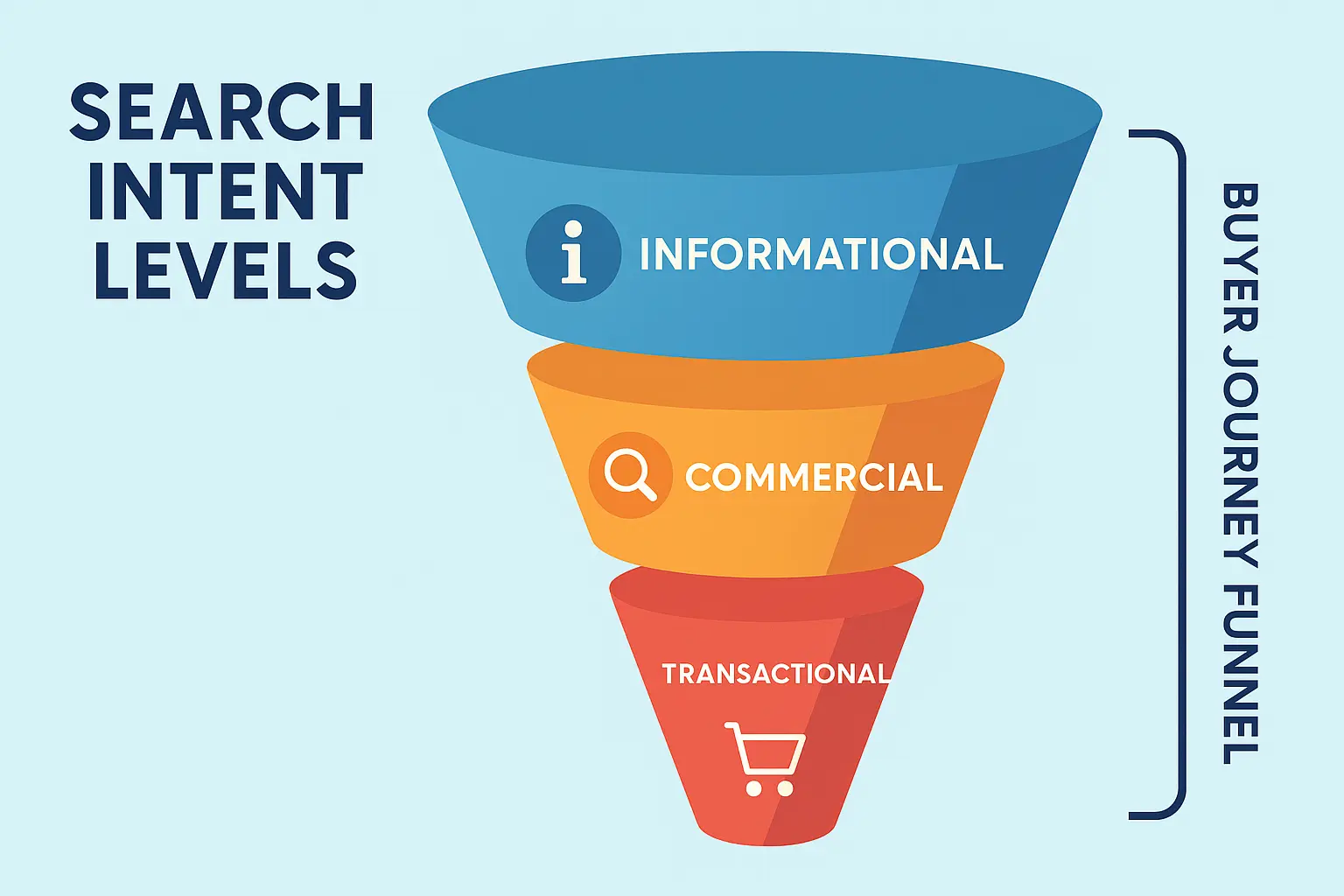
The difference between earning and failing often depends on whether you can match the right content to the right intent.
So, one silent reason why new bloggers fail in affiliate marketing is writing blog posts that get traffic, but don’t convert into sales because they target the wrong visitors.
Chapter 3: Writing Content That Does Not Convert
A major reason why new bloggers fail in affiliate marketing is not poor writing, but poor conversion writing. Many bloggers describe product features but never explain how the product solves real problems.
People don’t buy products—they buy results, convenience, savings, confidence, and transformation.
To avoid becoming part of the 93%, your affiliate content should:
✔ Address the reader’s pain
✔ Show how the product solves it
✔ Share your experience, case study, or real result
✔ Use comparison tables, pros & cons, FAQs
✔ Place affiliate links strategically, not randomly
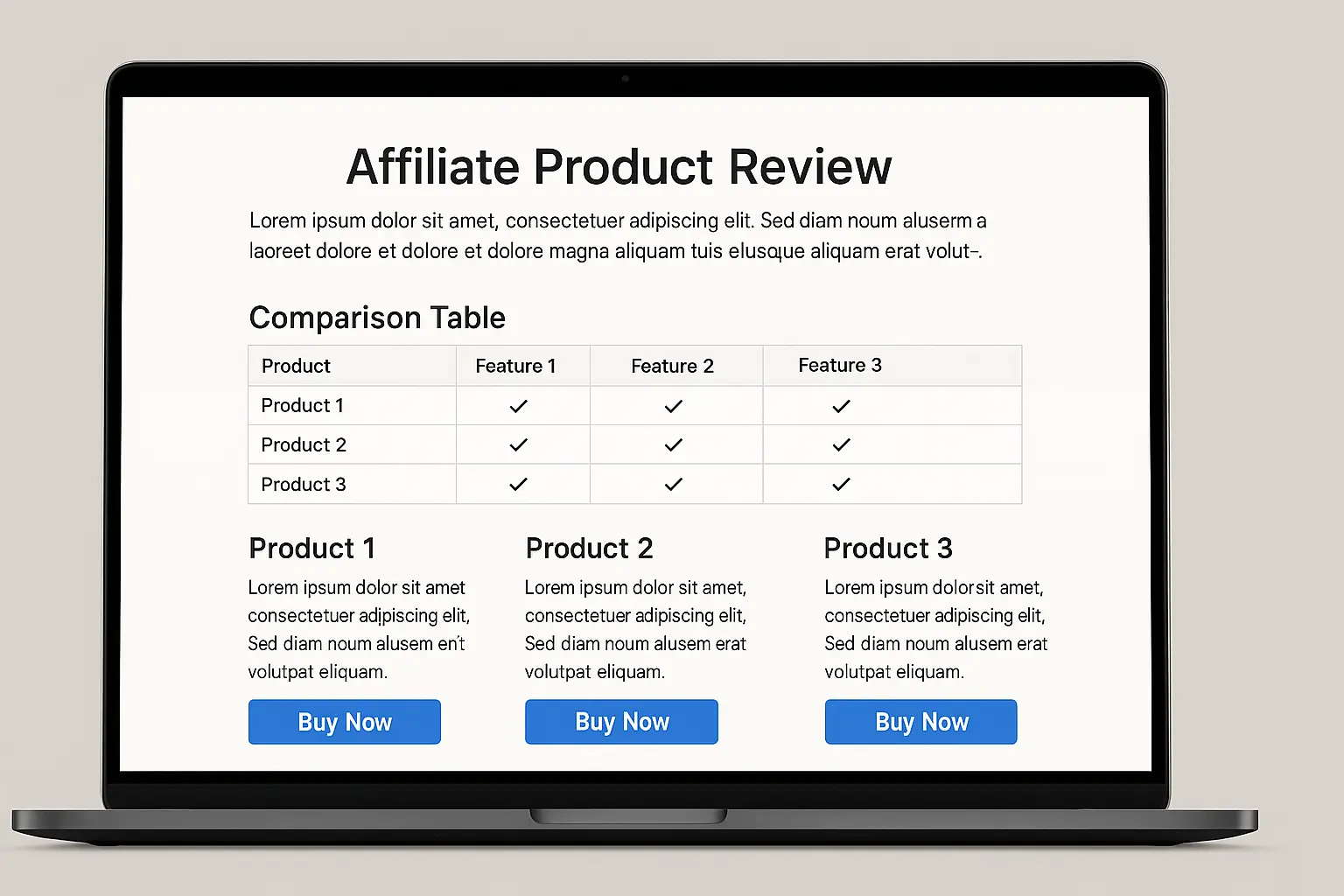
Affiliate success isn’t about inserting links — it’s about helping readers make decisions.
Also, if your content isn’t ranking due to weak SEO, check the free Beginner’s Guide to SEO by Moz to improve keyword targeting and content visibility.
That’s what separates the bloggers who earn from those why new bloggers fail in affiliate marketing despite having traffic.
Chapter 4: Promoting Too Many Products Without Authority
Another key reason why new bloggers fail in affiliate marketing is spreading themselves too thin across unrelated topics: health, finance, hosting, beauty, VPNs — all on one blog.
Search engines don’t understand what your blog is about, so they don’t rank your affiliate posts consistently.
Google rewards authority, not variety.
When your blog develops topic authority, meaning it has multiple related articles around one niche, Google begins to treat you as a trusted source.
That’s why, instead of promoting 50 random affiliate products, focus on becoming an expert in one main niche, and your conversions will grow rapidly.
“Be known for something — not for everything.”
That alone prevents why new bloggers fail in affiliate marketing after months of effort.
Chapter 5: Bad Blog Design & Poor Trust Signals
Any blog that looks unprofessional or untrustworthy can destroy conversions even though their content is great. This could also be a reason why new bloggers fail in affiliate marketing.
Common trust-killing issues:
|
Mistake |
Impact |
|
No About/Contact page |
Low trust |
|
No SSL (HTTPS) |
Security risk |
|
Too many ads/popups |
Annoying experience |
|
No affiliate disclosure |
Legal issue |
|
Generic-looking design |
Low credibility |

Affiliate marketing is built on trust.
Remember that if readers do not trust your site, they will not be going to trust your recommendations either.
Simply adding your face, story, contact form, SSL, professional layout, and clarity can significantly boost affiliate conversions.
Chapter 6: Not Building an Email List — Missing Long-Term Sales
One strong reason why new bloggers fail in affiliate marketing can be relying only on blog posts for income. We have seen many new bloggers who never build an email list. If you do not build the list, then visitors will never come back to your blog again.
So you must focus more on turning first-time visitors into loyal subscribers. That’s where affiliate income multiplies.
Email marketing helps you:
✔ Send personalized product tips
✔ Share comparisons, testimonials, or discounts
✔ Follow up with hesitant buyers
✔ Promote affiliate offers during seasonal sales
✔ Build authority through consistent interaction
“Affiliate links make single sales.
Email lists build repeat customers.”
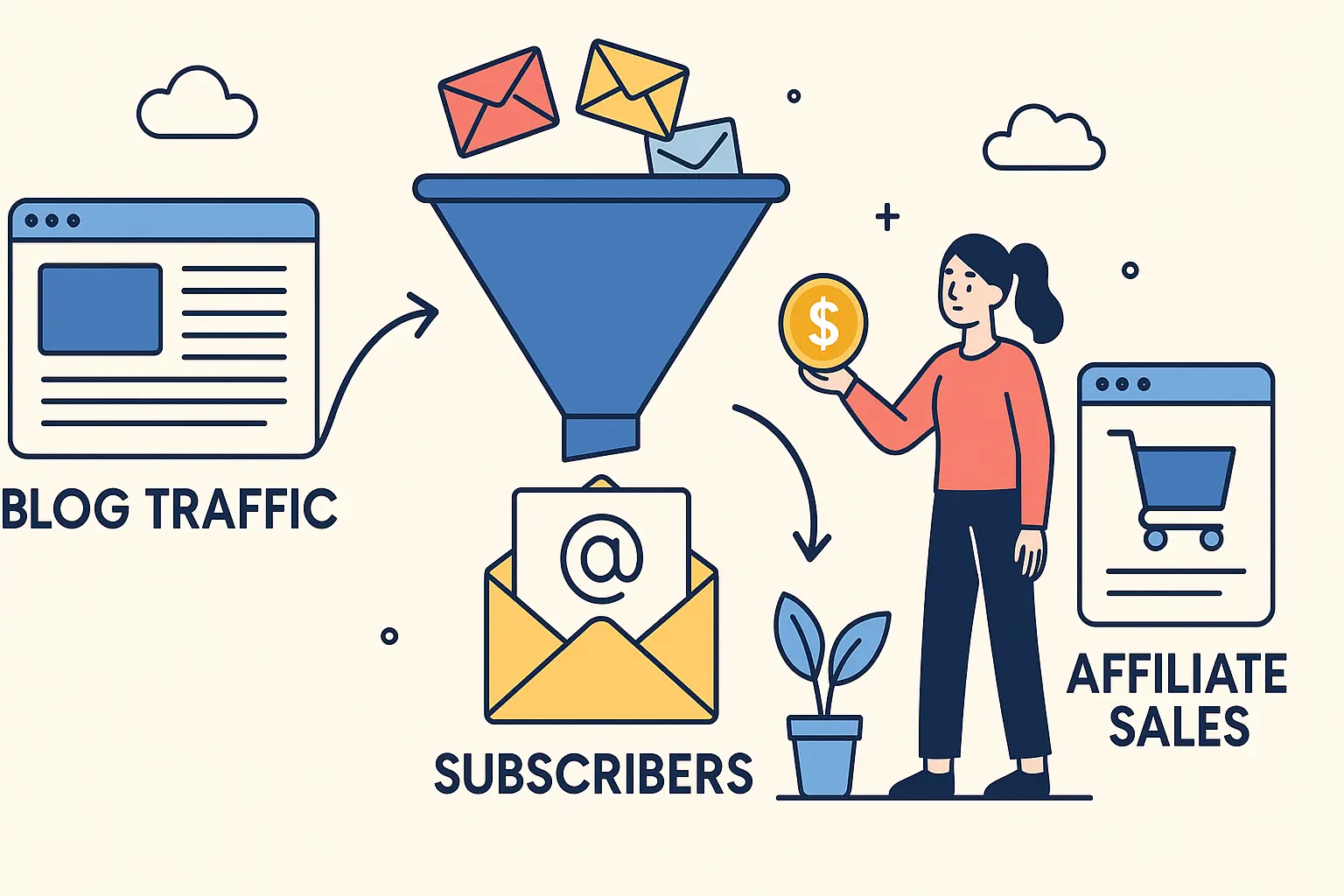
If you’re just getting started and don’t want complex tools, MailerLite is one of the easiest email marketing platforms for beginners to capture leads, send newsletters, and promote affiliate offers.
Not building an email list is one of the strongest reasons why new bloggers fail in affiliate marketing even after gaining traffic.
Chapter 7: The Winning Formula — How to Succeed Instead of Failing
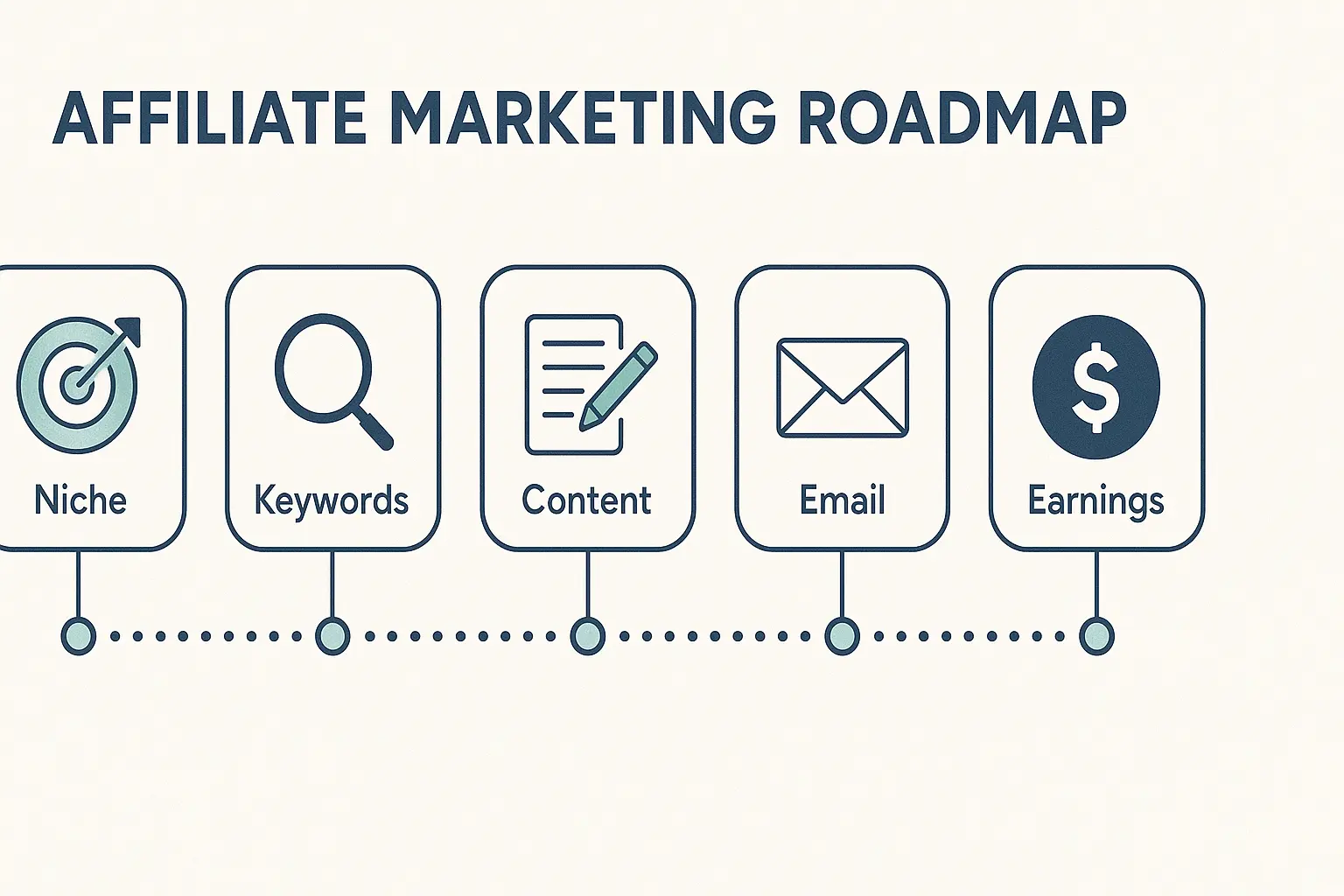
Now we think that you clearly understood why new bloggers fail in affiliate marketing. It could be a lack of niche focus, ignoring search intent, writing non-converting content, low trust, and not nurturing long-term user relationships.
But here’s the real win:
The Affiliate Success Checklist
| Success Factor | Why It Matters |
| Niche clarity | Builds authority |
| Keyword intent targeting | Attracts buyers, not just readers |
| Conversion-focused content | Drives affiliate sales |
| Blog design & credibility | Builds trust |
| Lead magnets & email list | Creates returning buyers |
| SEO + UX synergy | Improves rank & conversions |
Once you really get what works and start putting those things into practice, affiliate marketing just starts to make sense. You stop feeling lost, it all feels a lot more doable, and earning money online slowly turns into something you can actually count on.
Frequently Asked Questions (FAQ)
1️. Why do most new bloggers fail in affiliate marketing?
Most new bloggers fail in affiliate marketing because they focus only on publishing content, but ignore search intent, conversion strategy, and trust-building. They target high-volume keywords instead of buyer-intent keywords, promote too many products without niche authority, and don’t understand that affiliate marketing is more about solving problems than adding links.
If you’re totally new to affiliate marketing and want a starter-friendly overview, you can also explore this beginner guide by HubSpot.
2️. How long does it take for a blog to start earning from affiliate marketing?
Most blogs take 6 to 12 months to start making affiliate income, especially if they focus on niche authority, buyer intent, and SEO. New bloggers often fail because they expect earnings within 2–3 months, quit early, and never reach the growth stage where Google starts trusting their site.
3️. Do I need high traffic to make money with affiliate marketing?
No, you don’t need high traffic, but you need targeted traffic. A blog with 500 monthly visitors can earn more than a blog with 5,000 visitors if the readers are actively searching for products to buy. That’s why understanding keyword intent is more important than just focusing on blog traffic numbers.
4️. What is the main reason why new bloggers fail in affiliate marketing?
One of the biggest reasons why new bloggers fail in affiliate marketing is that they write informational content but never focus on commercial keywords like “best,” “review,” “vs,” or “alternative” — which are responsible for most affiliate sales. Without targeting buyer-intent keywords, traffic rarely converts into income.
5️. How can I stop failing in affiliate marketing as a beginner?
To avoid failure, you must:
- Pick one niche and stay consistent
- Focus on buyer-intent keywords
- Write comparison, review, and tutorial-style articles
- Improve blog design and trust signals
- Build an email list and nurture readers
This approach helps you build authority, trust, and conversion potential — even with low traffic.
6️. Can a beginner really succeed in affiliate marketing?
Yes, beginners can succeed if they avoid common mistakes like promoting random products, using thin content, or skipping SEO and email marketing. Affiliate success doesn’t depend on experience — it depends on strategy, niche clarity, consistency, and problem-solving mindset.
7️. What type of blog posts earn the most through affiliate marketing?
The most profitable blog post types for affiliate marketing include:
- Product review articles
- Comparison posts (X vs Y)
- “Best of” roundups
- Tutorials with product recommendations
- Alternatives and recommendation guides
These types of posts target buyers directly and have higher conversion rates.
8️. Do I need to buy the product before promoting it as an affiliate?
Not always, but it helps. If you have real experience or even screenshots, your content appears more trustworthy. But even if you haven’t used a product, you can still create helpful content using reviews, case studies, and real user experiences — just avoid making false claims.
9️. How many blog posts do I need before monetizing with affiliate links?
There’s no fixed rule, but generally, 15 to 25 quality blog posts with proper SEO and buyer intent are enough to start promoting affiliate products. Instead of publishing 100 articles, focus on 20 high-converting affiliate articles.
10. Is affiliate marketing still profitable in 2025?
Yes, affiliate marketing is growing faster than ever. The only reason why new bloggers fail in affiliate marketing today is because they don’t adapt to modern strategies like search intent, email list building, and niche authority. The bloggers who master content quality, SEO, and conversion will continue to earn consistently in 2025 and beyond.
Final Conclusion
In summary, the real reason why new bloggers fail in affiliate marketing is not because affiliate marketing is broken or saturated — it’s because most beginners don’t fully understand how it really works.
Affiliate blogging doesn’t reward those who post the most content. It rewards those who provide the most clarity, trust, and solutions.
Affiliate success is not about promoting affiliate links — It’s about helping readers make better choices.
The bloggers who understand that are the 7% who win, while the rest unknowingly follow the path why new bloggers fail in affiliate marketing.
