Proven Website Monetization Ideas that Work Without Ads 2026
Many website owners look for website monetization without ads because ads rarely work well early on. Traffic grows a little, expenses show up, and display ads seem like the default answer. Ads get talked about a lot, but they’re not the only option. And honestly, for many websites, they’re not even the most practical one.
I’ve seen plenty of sites do just fine without ads. In some cases, they’re actually more stable because they’re not tied to traffic spikes or ad rates changing every month. The income usually comes from a few well-placed ideas that match what readers are already looking for.
That’s what this piece is about — website monetization without ads, especially for smaller blogs and niche sites that want flexibility instead of depending on pageviews to make money. These methods don’t depend on ad rates or traffic spikes — they grow gradually as the site does.
Nothing here depends on viral traffic or tricks. These are practical monetization paths that work quietly, often long before ads make sense.

Why Website monetization without ads makes sense?
Ads reward volume. Most websites don’t have volume.
For a long time, display ads were promoted as the end goal for blogs. The reality is that ads usually require:
- Tens of thousands of monthly visitors
- Consistent traffic across many pages
- Tolerance for slower pages and clutter
For newer or niche sites, ads often bring:
- Low payouts
- Poor user experience
- Distractions from real value
That’s why many site owners eventually look for website monetization ideas that work without ads — methods that pay based on relevance and trust instead of raw traffic numbers.
Also read How long it takes for a blog to make its first dollar?
Affiliate marketing (without spamming links)
Affiliate marketing remains one of the most effective non-ad monetization methods when done carefully.
Instead of banners or popups, affiliate income comes from:
- Recommending tools
- Comparing services
- Explaining real use cases
A single article that solves a clear problem can earn more than thousands of ad impressions.
This works especially well when readers are already looking for solutions. Guides, comparisons, and walkthroughs often convert better than promotional pages.
If you want to understand why many beginners struggle with this, this guide explains it clearly:
Why new bloggers fail in affiliate marketing & how to win?

Digital products built from existing content
One of the most overlooked website monetization ideas that work without ads is packaging what you already know.
Examples include:
- ebooks
- Templates
- Checklists
- Playbooks
- Short guides
These don’t require massive audiences. They require clarity.
A small group of readers who trust your content is often enough to validate a digital product. Over time, these products can compound because they don’t depend on ongoing effort once created.
Platforms like Gumroad make this easy without complex setup.

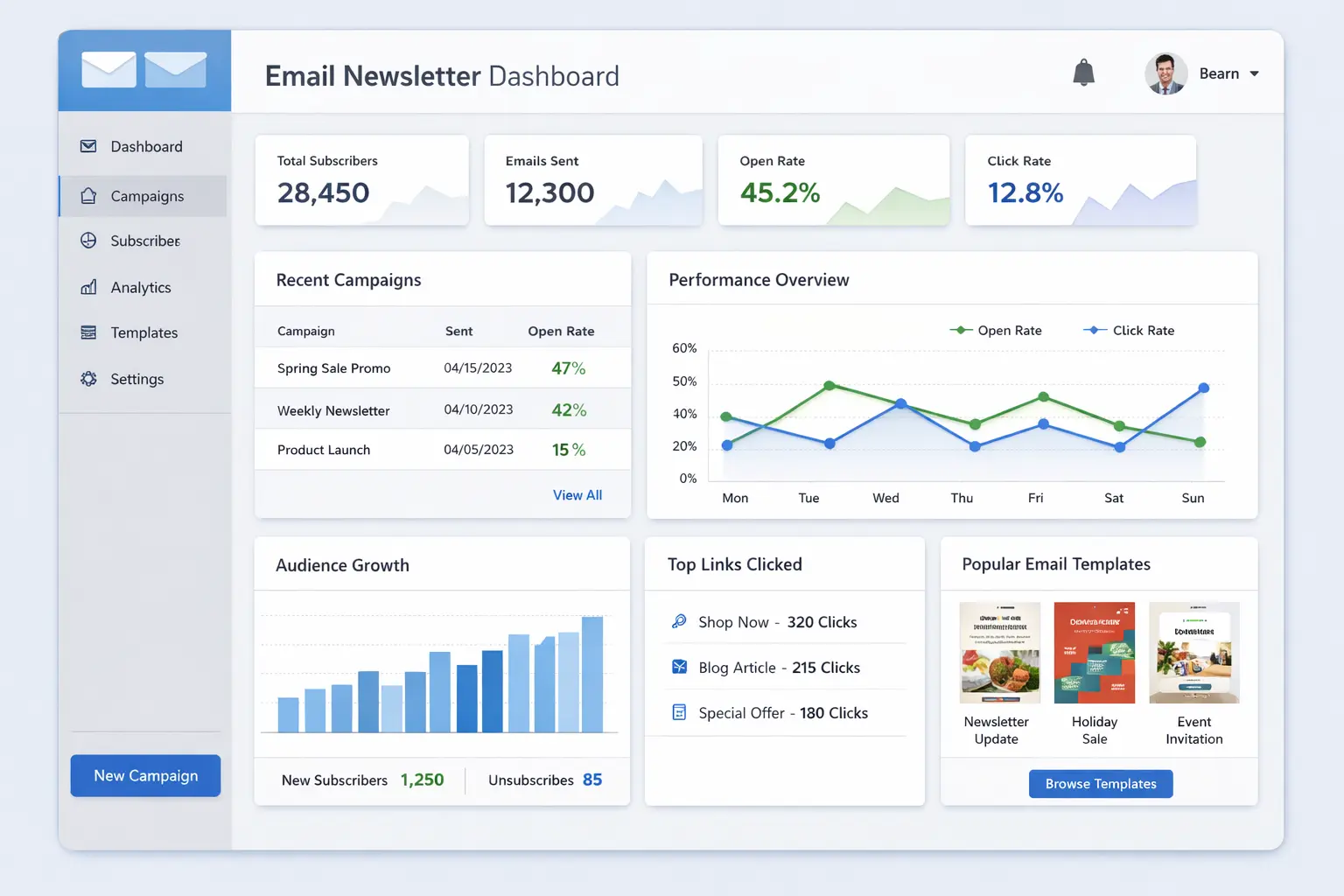
Email-based monetization
Email lists convert differently than blogs.
People who join an email list have already:
- Shown interest
- Accepted repeat communication
- Trusted you once
This makes email a strong foundation for monetization without ads.
Common methods include:
- Affiliate recommendations
- Product launches
- Paid newsletters
- Exclusive content
Unlike ads, email monetization doesn’t disappear when traffic dips.
Consulting and services
Many blogs accidentally act as portfolios.
If your content demonstrates:
- Expertise
- Problem solving
- Clear thinking
then services become a natural extension.
Common service monetization paths:
- Consulting
- Audits
- One-on-one calls
- Done-for-you services
This is one of the fastest ways a website can earn without ads because it doesn’t require scale — only relevance.
Sponsored content (without banner ads)
Just remember that the sponsored content is different from display ads.
Instead of cluttering pages, sponsorships involve:
- Dedicated articles
- Honest reviews
- Case studies
- Long-form explanations
When done transparently, sponsored content can align well with reader interests.
The key difference:
You choose partners. Ads choose you.
Community access and memberships
Some sites monetize through access instead of impressions.
This can include:
- Private communities
- Paid comment sections
- Exclusive resources
- Member-only updates
Membership models work best when the site focuses on:
- Learning
- Ongoing updates
- Shared progress
These models are slower to build but often more stable.
Courses and structured learning
When blog posts grow long and detailed, they often hint at something bigger.
Courses turn scattered content into:
- Structured learning paths
- Step-by-step systems
- Guided outcomes
They don’t need huge audiences. They need clarity and focus.
Payment tools like Stripe support this easily.
Tools and resources pages
A simple resources page can outperform ads over time.
These pages:
- List recommended tools
- Explain why they’re used
- Stay updated
They work especially well when linked internally from multiple articles.
If you’re curious how people are speeding this up, this breakdown of best AI tools to boost online earnings shows how some creators are using simple tools to save time and test ideas faster.
Why non-ad monetization compounds better?
Ads reset every day.
Non-ad monetization compounds because:
- Trust builds
- Content improves
- Recommendations strengthen
A single helpful article can keep earning quietly for years.
That’s why so many creators drop ads the moment they earn their first real money from something else.
Common mistakes to avoid
When exploring website monetization ideas that work without ads, please avoid:
- Monetizing too early
- Pushing irrelevant offers
- Copying unrelated sites
- Adding too many options at once
Simple systems outperform complex ones.
Choosing the right method for your site
Not every method fits every site.
Ask:
- What problems do readers have?
- What do they already ask about?
- Where do they hesitate?
The best monetization method often feels like the obvious next step for readers.
FAQ
Can a website really make money without ads?
A website can make money without ads. A lot of sites do especially smaller ones. Ads often don’t pay much early on anyway, so people end up earning in other ways first — things like recommending tools, selling something simple, or offering help around a topic they already write about.
What is the best way to make money when you have low traffic?
One should pick a monetization method that matches what their visitors actually want from their site. For many new sites, that ends up being affiliate links or small services. You don’t need thousands of visitors — you just need the right few finding the right page.
Is affiliate marketing better than ads?
Ads are all about big numbers, but let’s be real—new blogs just don’t pull in that kind of crowd. With affiliate links, though, even one reader who takes action can be worth way more than a bunch of people just scrolling by.
When should you skip ads altogether?
If you’re just starting out or your traffic’s still pretty low, ads can just clutter everything up and turn people away. Honestly, most bloggers hold off on running ads until they’ve got more traffic and a clearer sense of what their site’s all about. Wait until things are more established—then you can start thinking about ads or other ways to make money.
Can you mix different ways to make money?
Sure, but it’s easier once you’ve already got one method that’s working well. If you try to juggle too many things right from the start, your site can end up all over the place—confusing for your readers, and honestly, for you too.

Final conclusion:
Ads are not the default path anymore.
For many websites, especially niche blogs and growing platforms, website monetization ideas that work without ads offer better control, better user experience, and more predictable income.
Affiliate content, digital products, services, and memberships all reward depth instead of volume. They grow slowly, but they last.
If your site focuses on helping people clearly, monetization without ads isn’t harder — it’s often more natural.
