Website Monetization Ideas for Low Traffic Sites
If you’ve ever tried to make money from your website, you’ve probably heard that you need a ton of visitors before anything pays off. That idea trips up so many new site owners—it’s everywhere. Ten thousand visitors. Fifty thousand. A hundred thousand.
In reality, a lot of websites start earning long before they reach those numbers.
Fewer visitors don’t make your site worthless. Most of the time, it just means you’re still building things up, narrowing in on your topic, or working in a niche where every single visitor matters. Most tips out there? They’re aimed at big blogs.
So, let us talk about what actually works. This guide covers real ways to start monetizing your website, even if your traffic numbers are still pretty modest. No hype, no shortcuts, and no strategies that only make sense after you’ve already “made it.”
What Counts as “Low Traffic”?
Before getting into methods, it helps to define what low traffic actually means.
For this article, low traffic usually looks like:
- A few hundred visits per month
- 1,000–5,000 monthly visitors
- Early-stage organic traffic
- Mostly search-driven visits
At this stage, display ads rarely make sense. You don’t have enough impressions, and the user experience often suffers more than the income helps.
That’s why the ideas below focus on intent-based monetization, not volume.
1. Affiliate Marketing (When You Don’t Overdo It)
Affiliate marketing gets a bad reputation because most people do it the wrong way.
They think it only works if you have huge traffic and dozens of links everywhere. In reality, it often works better on smaller sites when it’s done carefully.
It tends to perform best when:
- People land on your page looking for a specific solution
- The recommendation fits naturally into the content
- You’re answering a real question, not pushing an offer
A small site that attracts 10 relevant clicks can generate more money than a big site sending thousands of random visitors.
Instead of stuffing pages with links, it’s usually smarter to:
- Recommend one or two tools per page
- Explain why you’re recommending them
- Focus on situations and use cases, not sales talk
Comparison posts and experience-based reviews almost always convert better than generic “best tools” lists.
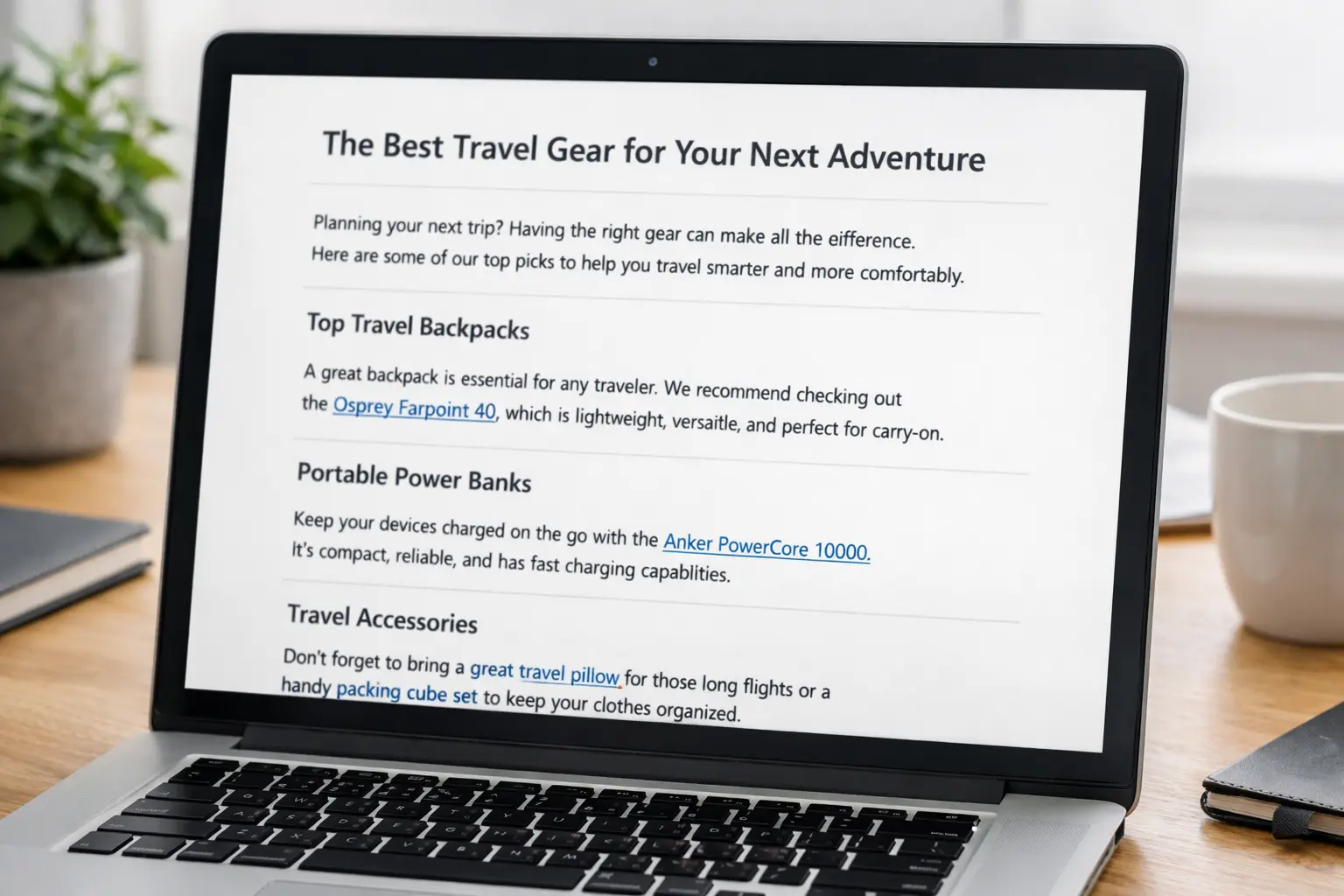
For example, many site owners notice better results once they focus on recurring affiliate programs, especially when traffic is still limited.
2. Service-Based Monetization (Most People Ignore This)
If visitors are already coming to your site looking for help, services can outperform ads and affiliates very early on.
This doesn’t mean turning your site into a freelancing platform.
Simple offers often work best, such as:
- Website or SEO audits
- Setup or troubleshooting help
- One-time consulting calls
- Niche-specific assistance
If your site is not attracting huge traffic, and you get just one to two paid enquiries each month. In this way you can make more money than little banner ads.
Here clarity is important. When someone visits your site, they should understand that:
- What you help with
- Who it’s for
- How they can contact you
Honestly, if your site is about SEO, blogging, affiliate stuff, or monetization, this method just works.

3. Digital Products for Small, Focused Audiences
You don’t need tons of people to sell digital things online. Even a small group can work. Start by knowing what’s wrong, then fix it in a straightforward way.
On low-traffic sites, smaller products usually work better, such as:
- Short guides (not long eBooks)
- Checklists
- Templates
- Step-by-step setup walkthroughs
A $9 or $19 product that solves a very specific issue can convert surprisingly well when the traffic is targeted.
What usually doesn’t work at this stage:
- Large courses
- Broad “make money online” products
- Anything that requires a lot of trust you haven’t built yet
Keeping products small, practical, and closely tied to your existing content makes a big difference.

4. Email Lists (Even If They’re Small)
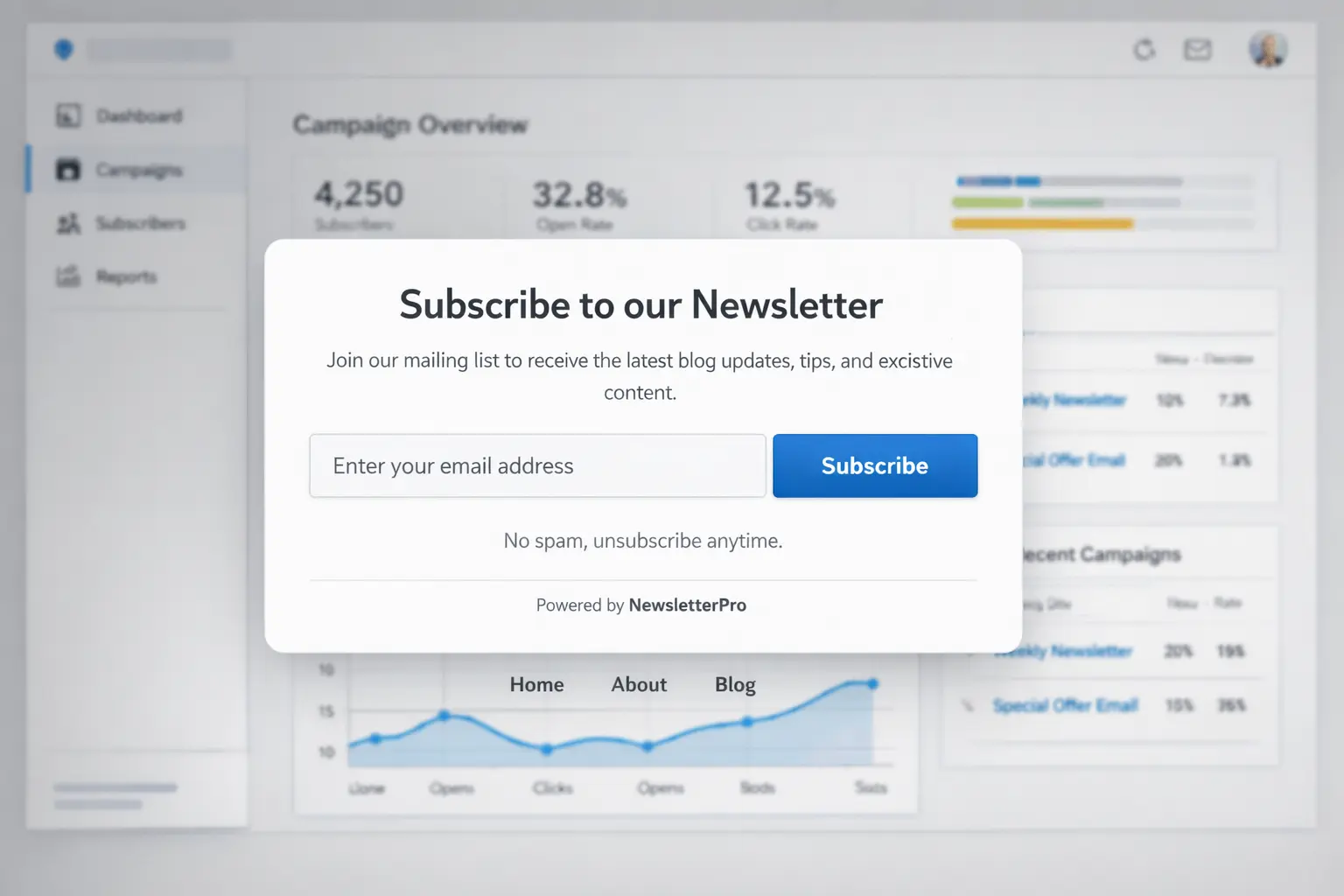
Email lists are often treated as something you only worry about later, but they can still help with monetization early on.
With low traffic, the goal isn’t volume — it’s connection.
A small list lets you:
- Recommend tools naturally
- Promote your own products
- Share updates without depending entirely on search traffic
Even 100–200 engaged subscribers can outperform thousands of passive visitors who never come back.
The biggest mistake is waiting too long to start collecting emails.
5. Sponsored Content (At a Small Scale)
Sponsorships aren’t limited to big websites.
Smaller brands often look for:
- Niche-focused audiences
- Pages ranking for long-tail keywords
- Honest, experience-based content
If your site is focused and already ranking for specific queries, it has value — even with modest traffic.
You don’t need to start big. Small opportunities are common, such as:
- A single sponsored mention
- One paid review
- Inclusion in a sponsored comparison
As long as disclosures are clear, this type of monetization can work well long before your site reaches “high traffic” levels.

6. Selling Links? Think Before You Do
This comes up more often than people admit, especially once a site starts getting emails asking for link placements.
Yes, some site owners do make money this way. But it’s also one of those things that can go wrong quickly if you’re not careful. A few bad decisions can create long-term problems that aren’t worth the short-term payout.
If you ever think about it, a few basic rules help avoid trouble:
- Don’t add links sitewide
- Stay away from unrelated or spam-heavy niches
- Keep everything inside real content where it makes sense
A lot of publishers eventually decide they’d rather work with sponsored content or simple partnerships instead. It usually feels cleaner and causes fewer headaches down the line.
7. Why Mixing Monetization Methods Works Better?
Most low-traffic sites don’t earn well by putting all their hopes into a single method. What usually works better is combining a couple of approaches that fit naturally together.
A common setup looks something like this:
- A few affiliate links inside helpful articles
- An email list to stay in touch with readers
- One small product that solves a specific problem
None of these need huge numbers to work. They work together to keep things steady. If one drops off for a bit, the others usually pick up the slack.
Some site owners ignore ads altogether. They look for different ways to make money from their websites, even while their traffic keeps climbing.
Common Mistakes Low-Traffic Sites Make
These come up again and again:
- Waiting too long to try any monetization
- Copying setups from large blogs without adjusting them
- Adding display ads too early
- Promoting too many offers at once
Most monetization problems aren’t about traffic. They’re about fit. It’s always easier when your content actually fits what your audience wants. Views don’t mean much if the wrong people are the ones looking. You need the right people to actually click.
